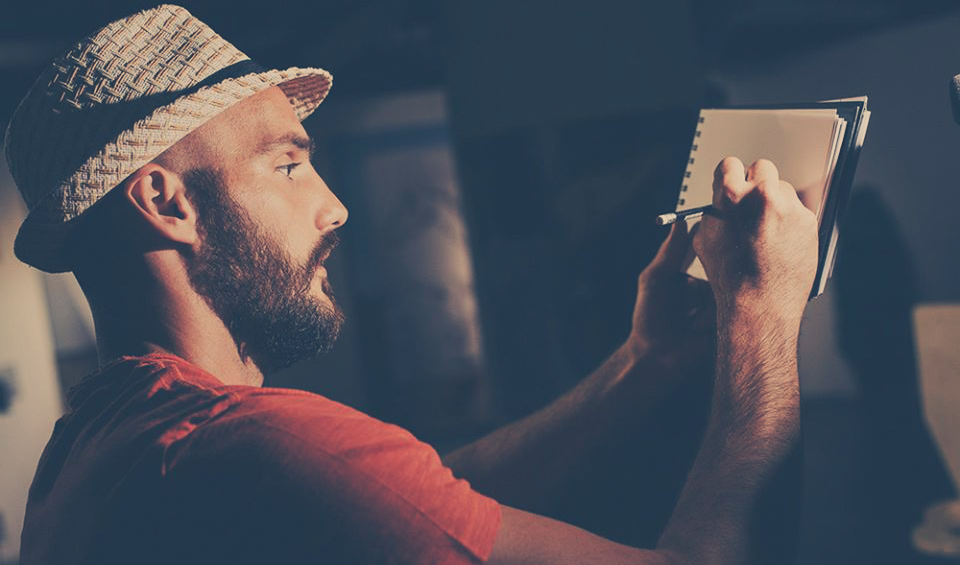
Ben Heine interviewed
by Simon Tripnaux (*)
(The original interview is in French and appeared on Tribords.com
please click here to read it in English, via Google Translator)

(The original interview is in French and appeared on Tribords.com
please click here to read it in English, via Google Translator)

Un artiste unique aux images magiques et au travail très, très prolifique A la rencontre de Ben Heine...
Si vous avez le plaisir de jeter quelques yeux au travail de Ben Heine sur son compte Flickr ou que vous le suivez un tant soi peu sur Facebook et ailleurs sur le web, vous découvrirez un artiste aux mille facettes. Une saga visuelle à lui tout seul tant ces travaux sont nombreux, bouillonnants et dans l'air des temps... Interview!
Ben Heine en quelques lignes, c'est quel parcours ? ... et quels futurs?
C’est d’abord un créateur idéaliste qui a envie de partager avec les autres ses idées, son savoir faire artistique et son combat pour diverses causes. C’est depuis ses 12 ans un dessinateur accroc au crayon. Il commence ensuite la peinture grand format à l’âge de 16. Il part pour l’Angleterre à 18 ans et réalise ses premières commissions artistiques. A son retour en Belgique il fait des études de journalisme. Le diplôme en main à 23 ans, il réalise qu’il n’est pas fait pour travailler dans le journalisme à proprement parler mais plutôt dans le dessin de presse.
Inspiré par plusieurs artistes, il s’intéresse soudainement à la photographie et les montages d’images en tout genre. Il se lance quelques années plus tard dans la peinture numérique pour arriver là ou il en est aujourd’hui, c’est à dire un créateur un peu bizarre mais libre, sans règles ni barrières.
Le futur est très incertain, il n’y pense pas, pour lui, seul le moment présent compte. Le fil conducteur au long de ce parcours est la pulsion créative, pour le meilleur et pour le pire.
Peintre, illustrateur, caricaturiste, photographe ... c'est quoi la discipline reine pour toi?
Il n’y a pas vraiment de discipline reine. Pour moi les 2 mots clés rois sont le "travail" et les "résultats" dans le but de transmettre de nouvelles idées, que ce soit à travers la peinture ou la photo. Tout ce que je peux dire avec certitude, c’est que j’adore réaliser des portraits. J’aime rendre hommage aux personnes disparues et leur donner une deuxième vie.
Tu as toute une sphère de fans autour de toi sur le web, c'est quoi qui marche bien sur Internet en matière d'arts visuels?
Tout peut marcher à condition d’être original, d’apporter des concepts nouveaux et de respecter les gens qui nous entourent. Bien sûr il y a des thèmes qui ont plus d’impacts que d’autres. Mais c’est quand on croit le plus en ce qu’on fait qu’on obtient le plus de satisfactions et de retours de la part du public.
Internet c'est un tremplin ou une menace pour les artistes?
Un peu des deux je pense. Le sujet de mon mémoire de fin d'études portait sur les technologies de l'information et de la communication, j'en connais un rayon là dessus. L’internet est devenu une sorte de "conscience collective". Si l’on fait des "erreurs" sur le web, cela finit TOUJOURS par se retourner contre soi. Il faut donc clairement être prudent et essayer de ne pas trop "dévier" des objectifs que l’on se fixe.
Moi j’envisage le web de manière très positive et avec ma vision d’artiste. Je crois que si la toile est utilisée par les créateurs pour partager des idées et des œuvres, c’est un bonus pour tout le monde.
Certaines des images que tu imagines et partage sur le web ont une couleur très évocatrice d'œuvres de Magritte ... une influence chez toi?
J’adore Magritte, je le considère comme un monstre sacré et une influence certaine dans mon travail artistique. J’ai fait 2 portraits de lui. C’est une personne que j’aurais vraiment voulu rencontrer. Toutes proportions gardées, plusieurs de mes peintures et photo-montages pourraient en effet être associées au mouvement surréaliste.
Pas mal de clin d'oeil à Obama dans tous un tas d'images ... c'est qui Obama pour toi?
Je pense qu’Obama incarne un rêve pour une grande partie des Américains et pour beaucoup d’autres personnes dans le reste du monde. Un rêve qui s’est malheureusement peu à peu estompé depuis son élection et son acharnement en Afghanistan.
Mais je reste un fervent admirateur de ce politicien qui a redonné un nouvel espoir, peut-être même un nouveau souffle à la planète en ces temps de crise généralisée. C’est un homme qui semble sincère, c’est rare en politique. Je suis persuadé que l’on parlera encore de lui avec beaucoup de considération lorsqu’il aura quitté la Maison Blanche.
Le surréalisme Belge, mythe ou réalité?
Certainement pas un mythe ! Vu le contexte politique et communautaire plutôt tendu, la Belgique en tant que "pays" est déjà quelque chose de totalement surréaliste. Et puis il y a tellement d’artistes surréalistes de renom qui sont nés ou ont vécu en Belgique, je pense que le surréalisme correspond vraiment bien à notre petit pays.
Une actualité pour toi en ce moment?
Trois actualités en fait…
Si vous avez le plaisir de jeter quelques yeux au travail de Ben Heine sur son compte Flickr ou que vous le suivez un tant soi peu sur Facebook et ailleurs sur le web, vous découvrirez un artiste aux mille facettes. Une saga visuelle à lui tout seul tant ces travaux sont nombreux, bouillonnants et dans l'air des temps... Interview!
Ben Heine en quelques lignes, c'est quel parcours ? ... et quels futurs?
C’est d’abord un créateur idéaliste qui a envie de partager avec les autres ses idées, son savoir faire artistique et son combat pour diverses causes. C’est depuis ses 12 ans un dessinateur accroc au crayon. Il commence ensuite la peinture grand format à l’âge de 16. Il part pour l’Angleterre à 18 ans et réalise ses premières commissions artistiques. A son retour en Belgique il fait des études de journalisme. Le diplôme en main à 23 ans, il réalise qu’il n’est pas fait pour travailler dans le journalisme à proprement parler mais plutôt dans le dessin de presse.
Inspiré par plusieurs artistes, il s’intéresse soudainement à la photographie et les montages d’images en tout genre. Il se lance quelques années plus tard dans la peinture numérique pour arriver là ou il en est aujourd’hui, c’est à dire un créateur un peu bizarre mais libre, sans règles ni barrières.
Le futur est très incertain, il n’y pense pas, pour lui, seul le moment présent compte. Le fil conducteur au long de ce parcours est la pulsion créative, pour le meilleur et pour le pire.
Peintre, illustrateur, caricaturiste, photographe ... c'est quoi la discipline reine pour toi?
Il n’y a pas vraiment de discipline reine. Pour moi les 2 mots clés rois sont le "travail" et les "résultats" dans le but de transmettre de nouvelles idées, que ce soit à travers la peinture ou la photo. Tout ce que je peux dire avec certitude, c’est que j’adore réaliser des portraits. J’aime rendre hommage aux personnes disparues et leur donner une deuxième vie.
Tu as toute une sphère de fans autour de toi sur le web, c'est quoi qui marche bien sur Internet en matière d'arts visuels?
Tout peut marcher à condition d’être original, d’apporter des concepts nouveaux et de respecter les gens qui nous entourent. Bien sûr il y a des thèmes qui ont plus d’impacts que d’autres. Mais c’est quand on croit le plus en ce qu’on fait qu’on obtient le plus de satisfactions et de retours de la part du public.
Internet c'est un tremplin ou une menace pour les artistes?
Un peu des deux je pense. Le sujet de mon mémoire de fin d'études portait sur les technologies de l'information et de la communication, j'en connais un rayon là dessus. L’internet est devenu une sorte de "conscience collective". Si l’on fait des "erreurs" sur le web, cela finit TOUJOURS par se retourner contre soi. Il faut donc clairement être prudent et essayer de ne pas trop "dévier" des objectifs que l’on se fixe.
Moi j’envisage le web de manière très positive et avec ma vision d’artiste. Je crois que si la toile est utilisée par les créateurs pour partager des idées et des œuvres, c’est un bonus pour tout le monde.
Certaines des images que tu imagines et partage sur le web ont une couleur très évocatrice d'œuvres de Magritte ... une influence chez toi?
J’adore Magritte, je le considère comme un monstre sacré et une influence certaine dans mon travail artistique. J’ai fait 2 portraits de lui. C’est une personne que j’aurais vraiment voulu rencontrer. Toutes proportions gardées, plusieurs de mes peintures et photo-montages pourraient en effet être associées au mouvement surréaliste.
Pas mal de clin d'oeil à Obama dans tous un tas d'images ... c'est qui Obama pour toi?
Je pense qu’Obama incarne un rêve pour une grande partie des Américains et pour beaucoup d’autres personnes dans le reste du monde. Un rêve qui s’est malheureusement peu à peu estompé depuis son élection et son acharnement en Afghanistan.
Mais je reste un fervent admirateur de ce politicien qui a redonné un nouvel espoir, peut-être même un nouveau souffle à la planète en ces temps de crise généralisée. C’est un homme qui semble sincère, c’est rare en politique. Je suis persuadé que l’on parlera encore de lui avec beaucoup de considération lorsqu’il aura quitté la Maison Blanche.
Le surréalisme Belge, mythe ou réalité?
Certainement pas un mythe ! Vu le contexte politique et communautaire plutôt tendu, la Belgique en tant que "pays" est déjà quelque chose de totalement surréaliste. Et puis il y a tellement d’artistes surréalistes de renom qui sont nés ou ont vécu en Belgique, je pense que le surréalisme correspond vraiment bien à notre petit pays.
Une actualité pour toi en ce moment?
Trois actualités en fait…
- Je vais me marier fin juin avec la plus belle femme du monde
- Plusieurs de mes illustrations politiques viennent d’être publiées dans l’ Almanach 2010 du Dessin de Presse, un ouvrage retraçant toute l’actualité mondiale à travers 1000 créations d’une centaine d’artistes. Le livre est disponible dans toutes les bonnes librairies.
- Un nouveau site theartistery.com va bientôt être mis en ligne. Mes créations les plus appréciées y seront mises en vente (à la demande et en séries limitées).
---------------


